
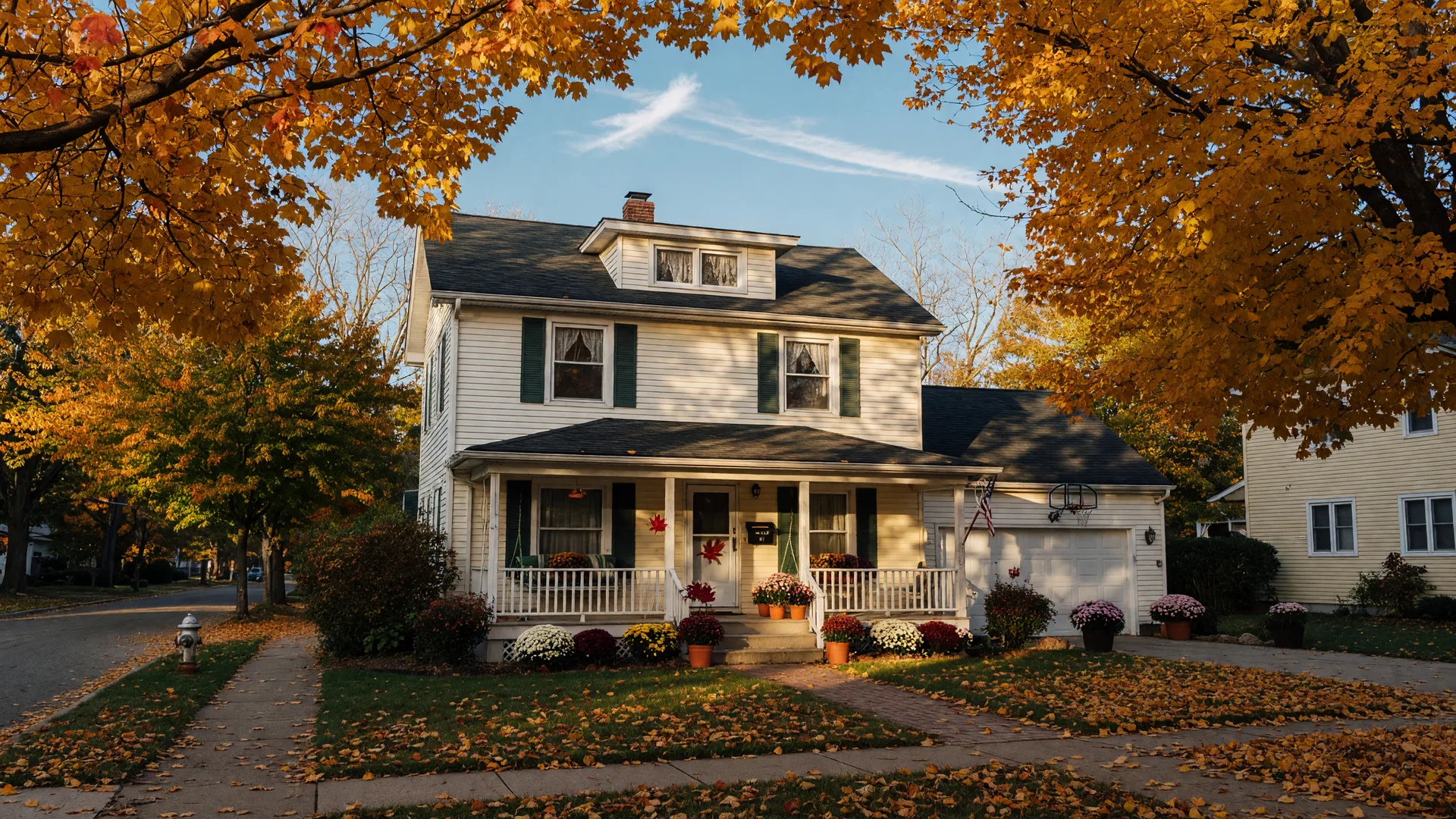
Downsizing is the family home's final sale for many households across Grand Blanc, Fenton, Linden, Columbiaville, and Tyrone Township. The kids are launched, the yard feels like a second job, and the four-bedroom house that once buzzed now sits quiet. This guide covers the real numbers behind downsizing, what your home is worth in your community this fall, the timing that still allows a year-end closing, the tax rules that protect your proceeds, and the local movers and estate-sale help that make the move manageable.
Why Downsizing Is Front of Mind This Fall
Baby Boomers are the dominant force in today's housing market. NAR's generational trends research puts the 60-to-78 generation at roughly 55 percent of all home sellers in the latest survey period, and in our communities those are exactly the households listing the family homes in Grand Blanc's established subdivisions, Fenton's lake-country neighborhoods, Linden's historic blocks, and the acreage properties of Columbiaville and Tyrone Township.
Mortgage rates matter less to this group than to first-time buyers, because most downsizers arrive at the table with equity. NAR data shows roughly half of Boomers in their 70s paid cash for their most recent home purchase, which means a 7 percent rate, the 30-year fixed averaged 7.03 percent for the week ending September 24 per Freddie Mac, rarely blocks a downsizer's move. The decision is usually about space, maintenance, and location, not financing.
The Real Numbers: How Much Smaller Is Smaller?
Empty nesters own 28 percent of the nation's homes with three or more bedrooms, per a Redfin analysis from April 2026, even though most no longer need that space. And while many Boomers say they plan to downsize, NAR's research finds they often buy a home about the same size in practice. Those who do shrink typically target somewhere around 1,869 square feet, a comfortable ranch or split-level, not a condo. That gap between intention and outcome is exactly why planning matters.
Before you list, decide what smaller actually means for you: less lawn, fewer stairs, a first-floor primary suite, lower utilities, or a location closer to family or services. Write down the three or four things the next home must have, then let that list, not nostalgia, drive the floor plan you tour.
What Your Family Home Is Worth in Your Community
Your neighborhood determines both who buys and what they pay. Here is the fall 2026 picture across the five communities, using the same market sources this blog tracks all year:
- Grand Blanc: Redfin pegged the median sold price near $301,000, and Movoto's market data shows days on market stretching toward 60, which means buyers have negotiating room and sellers need to price against recent closed sales. Established subdivisions served by Grand Blanc Community Schools draw the growing families who want your four bedrooms.
- Fenton: Zillow's Home Value Index sits near $366,000, up about 3.8 percent year over year, and the 48430 ZIP is one of the most competitive in the area, with well-priced homes moving quickly, especially near Lake Fenton and Lobdell Lake.
- Linden: Zillow's average value sits near $344,000, up about 6.3 percent year over year, with thin supply. Homes near the historic downtown and Linden Community Schools sell to families and commuters alike.
- Columbiaville: values sit near $265,000, up roughly 6.6 percent year over year, with buyers drawn to small-town character and Southern Links Trailway access.
- Tyrone Township: rural acreage keeps its own buyer pool. Custom homes start around $629,900 at Oaks of Tyrone, and outbuildings like pole barns and shops carry real value when a property changes hands.
If your home needs updates before it competes with new construction nearby, the fall home selling guide on this blog walks through the fixes that pay off and the ones to skip.

The Timing Question: Sell First or Buy First?
This fall, the calendar still works for a year-end move if you act soon. A typical 45-day closing means going under contract by the week of October 5 to close before Thanksgiving, and the week-by-week buyer's calendar on this blog lays out every deadline. Sellers who list in October are often pricing to close by year end, which keeps negotiating room alive into early November.
For a downsizer, selling first has a clear advantage: the cash from the sale funds the next purchase, removes your financing contingency, and turns you into the strongest kind of buyer in a negotiation. If buying first is the only path, a bridge loan or home-equity line can carry you, but understand the monthly cost before you sign. Your agent should lay out both timelines with real numbers so the choice is math, not hope.
Rightsize Your Belongings Before You List
Decluttering is the most reliable return on effort in a downsizing sale. A home that is edited, clean, and light sells faster and photographs better, and the process pays twice: once at the offer table and again on moving day when there is simply less to move. Start with three piles, keep, sell, and donate, give yourself six to eight weeks, and be honest about what actually fits the next house.
Professional estate and tag sale companies handle the sell pile start to finish, pricing and selling the contents in place. Hauling services can clear the donate pile the week you list. For staging details that move buyers, revisit this blog's lightbulb trick post, the smallest change that reliably lifts a listing's appeal.
Local Help When You Make the Move
Grand Blanc, Fenton, and the surrounding area have real, local businesses that handle the heavy parts of downsizing. Book a mover estimate and an in-home estate-sale walkthrough early, because October calendars fill quickly before the holidays:
- Two Men and a Truck, Grand Blanc: 12750 S Saginaw St, Suite 201, Grand Blanc, (810) 212-2201. Local moving crews with packing and loading service.
- All Area Moving: 4370 Belsay Rd, Burton, (810) 814-2516. Residential moves across Genesee and Livingston counties.
- College Hunks Hauling Junk, Flint: 3360 S Dort Hwy, Burton, (810) 776-8850. Hauling and donation pickup for the declutter phase.
- Atomic Attic Estate Sales: (248) 222-1465. Michigan-based professional estate and tag sales for the sell pile.
Tax and Equity Notes for Michigan Sellers
Most downsizers owe no federal tax on their gain. If you have owned and lived in the home as your primary residence for two of the past five years, you can exclude up to $250,000 of gain (single) or $500,000 (married filing jointly) from federal taxable income. For a typical Michigan family home, that exclusion covers the entire gain.
At the state level, Michigan treats capital gains as income for its income tax, so have a CPA or tax professional run your numbers before you set an asking price, and confirm your Principal Residence Exemption is in place. The property tax guide on this blog explains how the exemption and Proposal A work. Your proceeds then roll into the next home with no penalty, and your lender can help you time the transfer so both closing dates line up. Budget for closing costs on both sides of the move.
Frequently Asked Questions
Should I sell my home before I buy a smaller one?
For most downsizers, yes. Selling first gives you a known cash number, removes your financing contingency, and makes you a stronger buyer in negotiations. If you must buy first, a bridge loan or home-equity line can cover the gap, but factor the monthly payment into your budget.
Do I have to pay tax when I sell my primary home?
Most downsizers owe no federal tax. Own and live in the home two of the past five years and you can exclude up to $250,000 of gain ($500,000 married filing jointly) from federal taxable income. Michigan treats capital gains as income, so have a CPA run your numbers.
How long does it take to sell a home in Grand Blanc, Fenton, or Linden right now?
Grand Blanc's days on market stretched toward 60 in 2026 per Movoto, Fenton's 48430 ZIP remains very competitive, and Linden's thin supply near a $344,000 average value per Zillow keeps homes near its $320,000 median sale range. A well-priced, decluttered home typically finds a buyer within a normal 30 to 60 day listing window.
What should I do with furniture and belongings I no longer want?
Start with three piles: keep, sell, and donate. A professional estate sale company handles the sell pile start to finish, and a hauling service clears the donate pile the week you list. Give yourself six to eight weeks before listing.
Can I use the money from selling my house to buy my next one?
Yes. Your equity rolls directly into the next purchase with no penalty, and in a sale-before-purchase sequence you can make a cash offer or a larger down payment. Your lender can help you time the transfer of funds.
Whether you are selling a family home, buying a ranch in Fenton, or moving from acreage in Tyrone Township to a maintenance-free home in Grand Blanc, we have guided downsizers through every one of these communities. If you want to know what your home is worth before you make the decision, reach out today.
Related Guides
- Selling Your Home This Fall What to fix, what to skip, and how to price against this season's closed sales.
- Close Before Thanksgiving 2026 The week-by-week calendar if your move has to close by year end.
- Michigan Property Taxes Proposal A, the Principal Residence Exemption, and millage rates across Genesee & Livingston counties.
- Michigan Closing Costs in 2026 What to budget on both sides of your sale and purchase.

Rob Moen
Rob Moen is the licensed Principal Broker for Keller Williams First and Team Leader of The Moen Group, overseeing six agents with over 90 years of combined local experience serving Grand Blanc, Fenton, Linden, Columbiaville, Tyrone Township, and communities throughout Genesee and Livingston counties.