
Summer is historically the busiest selling season in Michigan, and in communities like Grand Blanc, Fenton, and Linden, that pattern holds strong. Families want to close and move before the school year starts, longer daylight hours make properties show at their best, and buyer activity peaks from June through August. But in the current 2026 market — where inventory is rising and days on market are stretching to 60 days or more — simply listing your home is no longer enough. Preparation and strategy matter more than ever. Request a free home valuation to see what your property is worth in today's market, or contact us for a personalized selling strategy.
If you are a homeowner in Genesee or Livingston County considering a summer sale, this step-by-step guide covers exactly what to do before, during, and after your home hits the market — so you can maximize your sale price and minimize the time spent waiting for the right buyer.
Step 1: Price It Right From Day One
In today's market, pricing strategy is the single most important decision you will make as a seller. Across Grand Blanc, Fenton, and Linden, the median days on market hover between 56 and 61 days. Homes that are accurately priced from the start sell within that window. Homes that are overpriced sit, lose momentum, and eventually require price reductions that signal desperation to buyers.
Here is what the data tells us right now:
- Grand Blanc homes are listing with a median price of approximately $308,000 to $313,000, with properties averaging around 61 days on market.
- Fenton commands a premium with a median sale price near $397,000, though homes also average about 61 days on the market.
- Linden offers a more affordable price-per-square-foot around $194, with well-priced homes under $300,000 moving steadily.
- Tyrone Township in Livingston County is tightening, with homes selling in approximately 29 days as of April 2026.
The most effective approach is to work with a local agent who can run a comparative market analysis for your specific street, school district, and home condition. Overpricing in this market leads to stale listings. Accurate pricing generates showing traffic within the first two weeks — which is when most buyer interest occurs.
Step 2: Invest in Curb Appeal Before Anything Else
Buyers form an opinion of your home within seconds of pulling up to the curb. In summer, when lawns are green and trees are full, the expectation is a well-maintained exterior. A neglected exterior signals neglect throughout the home — even when that is not the case.
Before listing, focus on these high-impact, low-cost curb appeal improvements:
- Mow, edge, and mulch. Fresh mulch in beds, a clean-edged lawn, and weed-free garden areas are the highest-ROI improvements you can make before a listing. Budget under $200 and a Saturday afternoon.
- Power wash hard surfaces. Driveways, walkways, patios, and the home's siding should look clean. A rented power washer costs around $75 for the day and transforms the appearance of even a modest home.
- Update the front door area. A fresh coat of paint on the front door, a new house number, and a clean welcome mat create an immediate sense of care and invitation. This small investment — often under $50 — sets the tone for every showing.
- Trim and shape. Cut back overgrown bushes that block windows or crowd the entryway. Buyers want to see the house, not the landscaping hiding it.
- Clear the driveway and garage exterior. Park vehicles down the street during showings. The driveway should feel spacious, not cluttered.
Step 3: Declutter and Depersonalize Every Room
This advice appears in every selling guide for a reason — it works. Buyers need to envision themselves living in your home, and that is difficult when they are looking at your family photos, personal collections, or crowded closets. Decluttering is free, and it is one of the most effective preparation steps you can take.
Focus your decluttering effort on these five areas:
- The kitchen counter. Clear everything except one or two simple decorative items. Buyers notice the counter space — or the lack of it.
- The primary closet. Remove at least half of what is currently hanging. Buyers will open closet doors. Make the closet look spacious.
- The garage. This is Michigan — the garage is a critical selling point. Organize, sweep, and make it feel like a usable, spacious extension of the home.
- Every bathroom. Put away personal items, roll fresh towels, and ensure the space feels clean and bright.
- The basement. Whether finished or unfinished, the basement should feel clean, dry, and usable. Pack away seasonal storage items temporarily.
Step 4: Handle the Inspection-Ready Items Early
In the current market, buyers have more leverage than they have in years. That means repair requests and inspection contingencies are back in play. A smart seller prepares for the inspection before the buyer's inspector arrives.
Schedule a pre-listing home inspection. This typically costs between $350 and $500 in the Grand Blanc and Fenton area and gives you a clear picture of any issues before a buyer discovers them. The benefit is twofold: you can address critical issues proactively (which makes your home more attractive) and you can disclose known conditions transparently (which builds trust with buyers and their agents).
Common Michigan-specific items that inspectors flag include:
- Roof condition. Michigan winters are hard on roofing. If your roof is over 15 years old, have it inspected by a licensed roofer before listing.
- Water heater age. Most Michigan water heaters last 8 to 12 years. Know the age and condition of yours.
- Foundation and water intrusion. Basements in Southeast Michigan can show signs of seasonal moisture. Ensure gutters are clean and downspouts direct water away from the foundation.
- 92%+ EFI HVAC servicing. A recently serviced furnace and central air system reassures buyers. In Genesee County, where winter temperatures routinely drop below freezing, a functioning heating system is non-negotiable.
- Well and septic (rural properties). If your home in Tyrone Township, Columbiaville, or Linden's outskirts relies on a well or septic system, have both inspected and documented before listing.
Step 5: Stage Strategically for Maximum Impact
Professional staging is no longer reserved for luxury homes. In a market where homes are taking 60 days or more to sell, staging gives your listing a visual edge that separates it from the dozens of other homes buyers are comparing online. According to the National Association of Realtors, staged homes sell faster and closer to asking price than unstaged homes.
For summer listings in particular, staging should emphasize:
- Light and airiness. Open every blind and curtain before showings. Summer light is your greatest staging asset. Replace heavy drapes with sheer panels if needed.
- Outdoor living spaces. Patios, decks, and porches should be furnished and inviting. Set the table on the deck, place a pair of chairs in the backyard, and let buyers see the outdoor lifestyle your home offers.
- Neutral, clean palettes. If you have bold wall colors, consider a fresh coat of neutral paint. Buyers should see a blank canvas, not a design opinion.
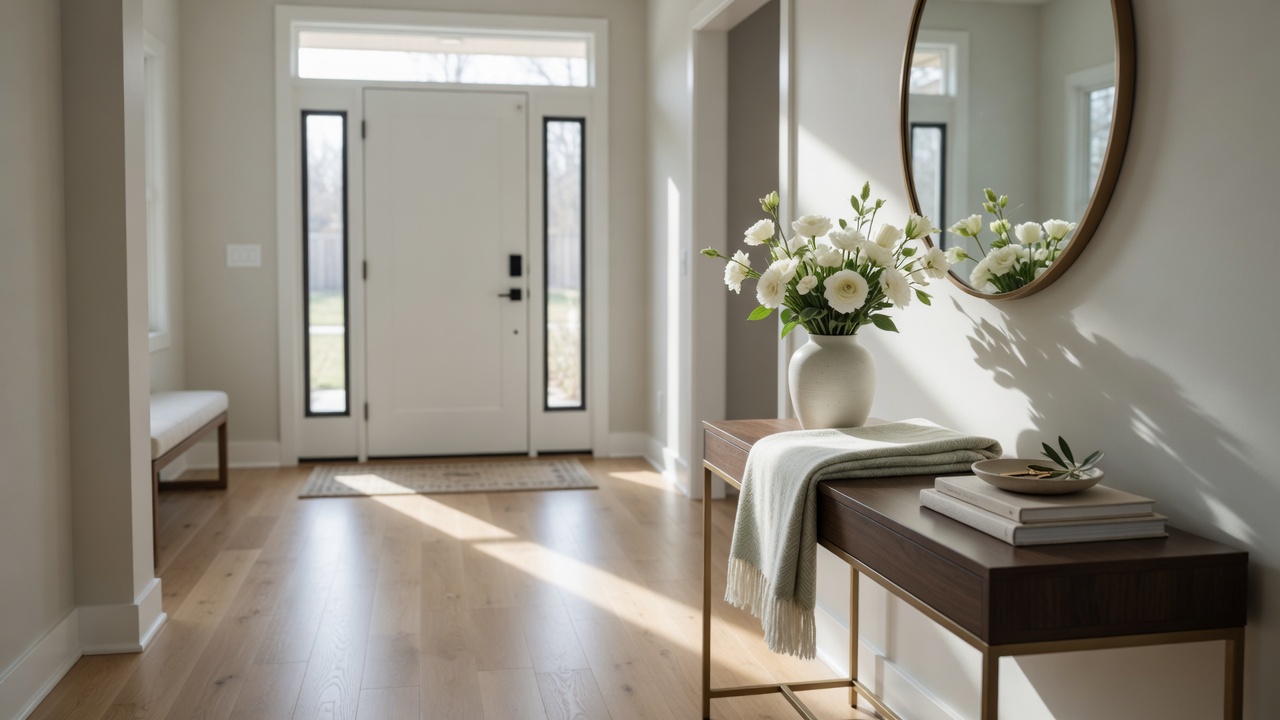
- Fresh flowers and greenery. A simple arrangement on the kitchen island or dining table signals warmth and care. Use local options from the Grand Blanc or Fenton farmers markets for an authentic touch.
Step 6: Maximize Your Online Presence
In 2026, the majority of buyers begin their home search online — scrolling through listings on Zillow, Realtor.com, Redfin, and social media before ever scheduling a showing. Your listing photos are your first showing.
Invest in professional photography. This is not optional in the current market. Hire a photographer who specializes in real estate, shoot during the best natural light window (typically 10 a.m. to 2 p.m. for interior shots), and ensure every room is photographed. Video walkthroughs and 3D virtual tours are now standard expectations for homes in the $300,000+ range.
Additionally, ask your agent about social media marketing. Platforms like Instagram and Facebook are powerful tools for reaching buyers who are actively searching in specific zip codes. A well-crafted social media campaign can generate significant traffic to your listing before it even hits the MLS.
Step 7: Be Flexible With Showings and Negotiations
In a market where buyers have more choices, flexibility is a competitive advantage. Allow your agent to schedule showings with minimal restrictions — including evenings and weekends. The more buyers who walk through your door, the higher your chances of receiving a strong offer.
When offers arrive, be prepared to negotiate thoughtfully. In today's balanced market, buyers may request closing cost assistance, home warranty coverage, or repair credits as part of the deal. These requests are standard and do not necessarily indicate a weak offer. Evaluate the total package — price, terms, timeline, and buyer financing — rather than fixating on any single number.
If your home is in Tyrone Township or parts of Livingston County, where the market is moving faster (approximately 29 days on market), you may have slightly more leverage. If you are listing in Columbiaville or Davison, where days on market extend to 86 to 144 days, patience and realistic pricing are essential.
The Bottom Line: Preparation Equals Profit
Selling a home is one of the largest financial transactions most people will make. In the current Michigan market, the sellers who achieve the best outcomes are those who treat the process professionally — pricing accurately, preparing thoroughly, and partnering with a team that understands the nuances of every neighborhood from Grand Blanc to Columbiaville.
The Moen Group monitors market conditions daily across Genesee and Livingston counties. If you are considering a summer sale and want a personalized assessment of your home's value and positioning strategy, reach out to us directly. We are happy to walk through your specific situation and help you make the most informed decision possible.
Related Services

Rob Moen
With decades of experience guiding thousands of home sales across Genesee and Livingston counties, Principal Broker Rob Moen brings deep market knowledge, sharp negotiation skills, and a hands-on approach to every listing. As a past President of the East Central Association of Realtors and the Women's Council of REALTORS, Rob is committed to helping sellers in Grand Blanc, Fenton, Linden, and surrounding communities achieve the best possible outcome.