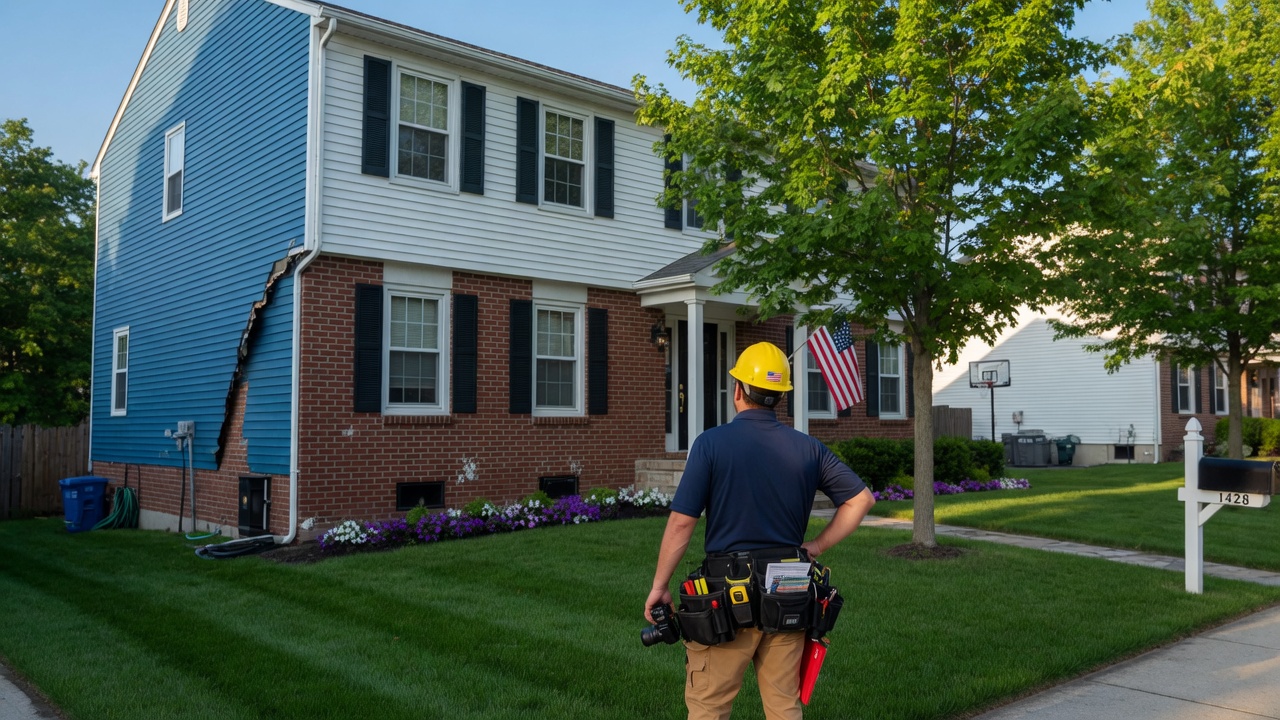
A home inspection is one of the most important steps in any real estate transaction — and in Southeast Michigan, where housing stock ranges from early-twentieth-century colonials to brand-new construction, the issues an inspection uncovers can vary dramatically from one property to the next. Whether you are buying a move-in-ready ranch in Grand Blanc or a rural acreage with a well and septic system in Tyrone Township, understanding what a home inspection covers — and what it does not — is essential to protecting your investment.
In this guide, The Moen Group breaks down the specific inspection considerations for buyers in Grand Blanc, Fenton, Linden, Columbiaville, and Tyrone Township, including the regional risks that matter most and how to use your inspection results to negotiate with confidence.
What Does a Michigan Home Inspection Actually Cover?
A standard home inspection in Michigan is a visual, non-invasive evaluation of a property's major systems and structural components. Michigan does not require a state license for home inspectors, but reputable inspectors typically follow the standards set by the American Society of Home Inspectors (ASHI) or the International Association of Certified Home Inspectors (InterNACHI). Both organizations require inspectors to examine a defined list of systems and components.
A thorough inspection typically covers the following areas:
- Structural components — Foundation, framing, floors, walls, and the roof structure. Inspectors look for cracks, settling, water intrusion, and signs of structural movement.
- Roofing — Condition of shingles or roofing materials, flashing, gutters, downspouts, and signs of leaks or water damage in the attic.
- Exterior — Siding, trim, grading and drainage, driveways, walkways, decks, porches, and railings.
- Plumbing — Supply lines, drain lines, water heater, fixtures, and visible piping. Inspectors note the type of piping material, which matters in older homes.
- Electrical — Service panel, branch wiring, outlets, switches, GFCI protection, and grounding. Older homes in Grand Blanc and Linden may have outdated wiring that needs attention.
- 92%+ EFI HVAC — Heating and cooling systems, age and condition of equipment, ductwork, and venting.
- Interior — Walls, ceilings, floors, windows, doors, stairways, and fireplaces.
- Insulation and ventilation — Attic insulation depth and condition, ventilation fans, and evidence of moisture problems.
- Fire safety — Chimney condition, fire separation, and smoke/carbon monoxide detector placement.
The inspection typically takes two to four hours depending on the size and age of the home, and you should plan to attend in person. Walking through the property with your inspector is the best way to understand the findings, ask questions, and see issues firsthand.
Regional Risks Specific to Grand Blanc, Fenton, Linden, Columbiaville & Tyrone Township
While a standard inspection covers universal home systems, buyers in our area face several region-specific risks that require extra attention. Here are the issues we see most often across these communities.
Radon: A Silent but Measurable Risk
Michigan sits in EPA Zone 1, meaning the state has some of the highest radon potential in the country. Radon is a naturally occurring radioactive gas that seeps into homes through cracks in the foundation, and it is the leading cause of lung cancer among non-smokers. The Michigan Department of Health and Human Services estimates that roughly 1 in 8 Michigan homes has elevated radon levels above the EPA action level of 4.0 picocuries per liter (pCi/L).
Radon levels vary even within the same neighborhood. In the Grand Blanc, Fenton, and Linden areas, we consistently see elevated readings in homes with basements built on clay-heavy soils — which describes a significant portion of the housing stock in Genesee County. A radon test costs between $150 and $250 and should be part of every home purchase in this region. If the reading comes back above 4.0 pCi/L, a mitigation system (typically a sub-slab depressurization system) can usually be installed for $800 to $1,500.
Key point for buyers: Even if the seller's disclosure mentions a previous radon test, request a new test. Radon levels fluctuate seasonally, and a test conducted three years ago does not reflect current conditions.
Well and Septic Systems in Columbiaville & Tyrone Township
Buyers shopping in Columbiaville and Tyrone Township should be prepared for properties served by private wells and septic systems rather than municipal water and sewer. This is common in rural parts of Lapeer and Livingston counties, and it introduces inspection considerations that do not apply to homes on public utilities.
For wells, request a water quality test that covers coliform bacteria, nitrates, pH, hardness, and iron — all common concerns in our area. A water test costs approximately $100 to $200 and should be conducted by a certified lab, not the seller. If the home has a septic system, request documentation of the last pumping and any inspection records. Michigan requires a permit for septic installation and repair through the county health department, so records should be on file. A septic inspection, which involves pumping the tank and evaluating the drain field, typically costs $300 to $600 and is strongly recommended for any home on septic.
Why this matters: A failing septic system can cost $10,000 to $30,000 or more to replace, and a contaminated well can pose serious health risks. These are not issues you want to discover after closing.
Basement Moisture and Foundation Concerns
Southeast Michigan's freeze-thaw cycles — with winters that regularly dip below freezing and spring thaws that saturate the soil — put real stress on foundations. In Grand Blanc and Fenton, many homes were built between the 1960s and 1990s with poured concrete or concrete block foundations. Over decades, repeated freeze-thaw cycles can cause hairline cracks to expand, leading to water intrusion during spring snowmelt and heavy rains.
During your inspection, pay close attention to:
- Horizontal cracks in block walls — These can indicate hydrostatic pressure from saturated soil pushing against the foundation.
- Stained orefflorescent walls — White mineral deposits (efflorescence) or visible water stains suggest moisture has been moving through the foundation.
- Sump pump condition — In areas with high water tables, a functioning sump pump is critical. Ask about the age of the pump and whether it has a battery backup.
- Grading around the home — The ground should slope away from the foundation at a minimum of six inches over the first ten feet. Poor grading is the most common cause of basement water problems.
In Linden and Columbiaville, where many homes sit on larger lots with varying terrain, drainage patterns can be more complex. Ask your inspector to evaluate the grading on all four sides of the home, not just the front.
Lead Paint in Pre-1978 Homes
Federal law requires sellers of homes built before 1978 to disclose known lead-based paint hazards. Lead paint was commonly used in homes through the mid-1970s, and portions of the housing stock in Grand Blanc, Linden, and Columbiaville fall into this category. While intact lead paint is generally not a hazard, chipping, peeling, or deteriorating lead paint — especially in homes with young children — requires professional abatement. A lead paint inspection or risk assessment costs approximately $300 to $500 and is a smart investment in any pre-1978 home.
Sewer Line and Lateral Assessments
In older neighborhoods in Grand Blanc and Fenton, the sewer lateral — the pipe connecting the home to the municipal sewer main — may be made of clay, Orangeburg (tar paper), or cast iron, all of which are prone to deterioration, root intrusion, and collapse. A sewer scope inspection, where a camera is fed through the line to assess its condition, costs $150 to $300 and can reveal problems that a standard inspection will not catch. A failed sewer lateral can cost $5,000 to $15,000 to replace, so this inexpensive add-on is well worth the cost in any older home.
Specialized Inspections Worth Considering
Beyond the standard home inspection, several specialized inspections are particularly relevant for buyers in our communities:
- Radon testing — As noted above, this should be considered standard for every purchase in Southeast Michigan. Cost: $150–$250.
- Sewer scope — Highly recommended for any home built before 1985 or any home with mature trees near the sewer line. Cost: $150–$300.
- Well water testing — Essential for any property on a private well. Cost: $100–$200.
- Septic inspection — Essential for any property on a septic system. Cost: $300–$600.
- Termite/pest inspection — While not as common in Michigan as in southern states, carpenter ants, powder post beetles, and occasionally termites do appear in our area, especially in homes with wood-to-soil contact or older wood components. Cost: $75–$150.
- Chimney inspection — Recommended for any home with a wood-burning fireplace or furnace. A Level 2 chimney inspection with camera costs $200–$400 and can reveal creosote buildup, flue liner damage, or structural issues.
- Mold testing — If you see visible mold or smell musty odors in a basement or attic, a mold assessment costs $300–$600 and can identify the type and extent of contamination.
Not every home needs all of these, but understanding your options helps you make informed decisions based on the specific property you are buying. Your real estate agent can help you determine which inspections make sense for your situation.
What Happens After the Inspection: Using Results to Negotiate
In Michigan's current balanced market — where the typical home in Grand Blanc takes approximately 47 to 61 days to sell, and Fenton homes average around 61 days on market — buyers have more room to negotiate than they have in recent years. Your inspection results are a powerful tool, but they need to be deployed strategically.
Here is how to approach it:
- Separate the urgent from the cosmetic. A cracked foundation wall or a failing sewer line is a safety or structural issue that warrants a repair request or price reduction. A scuffed floor or a dated light fixture is not. Focus your negotiation on issues that affect safety, structural integrity, or the functional systems of the home.
- Get repair estimates before negotiating. If your inspector identifies a $3,000 plumbing issue or a $12,000 roof replacement, get a written estimate from a licensed contractor to support your request. Vague claims are easy to dismiss; documented costs are not.
- Consider a seller credit instead of a repair. In many cases, asking the seller for a closing cost credit rather than requiring them to complete a repair is more practical. A credit gives you the flexibility to choose your own contractor and ensure the work is done to your standards after closing.
- Know when to walk away. If the inspection reveals major structural deficiencies, extensive mold, or environmental hazards that the seller is unwilling to address, walking away is sometimes the smartest financial decision you can make. Your earnest money deposit is protected under Michigan's standard purchase agreement contingencies as long as you act within the inspection period.
How Inspection Needs Vary by Community
Not all communities in our service area present the same inspection profile. Here is a quick reference to help you understand what to prioritize depending on where you are buying:
| Community | Key Inspection Focus Areas |
|---|---|
| Grand Blanc | Radon, sewer laterals (older neighborhoods), foundation moisture, electrical panels in 1970s–80s homes |
| Fenton | Radon, roof condition (lake-effect snow load), sewer scope, well water near Lake Fenton |
| Linden | Radon, well/septic (outlying areas), older plumbing, foundation settling in mid-century homes |
| Columbiaville | Well water quality, septic system condition, well caps and casing, older electrical |
| Tyrone Township | Well and septic, road access (dirt roads), drainage on larger lots, newer construction punch lists |
Choosing the Right Inspector
Michigan does not license home inspectors, which means the quality of inspectors varies significantly. Here is what to look for when selecting an inspector in our area:
- Professional certification. Look for inspectors who are ASHI Certified or InterNACHI Certified. Both designations require ongoing education and adherence to strict standards of practice.
- Errors and omissions insurance. A reputable inspector carries professional liability insurance. This protects you if the inspector misses a significant issue.
- Local experience. An inspector who works regularly in Genesee and Livingston counties will be familiar with the soil conditions, housing stock, and common issues specific to our area. Ask how many inspections they have completed in the past year in your target community.
- Sample report. Ask to see a sample inspection report before you book. A good report should include detailed descriptions, photographs, and clear ratings of each system's condition — not just a checklist.
- Availability and turnaround. In our current market, with homes averaging 47 to 128 days on market depending on the community, you typically have time to schedule an inspection, but prompt report delivery — ideally within 24 hours — is important for keeping your transaction on track.
Your real estate agent is an excellent resource for inspector recommendations. At The Moen Group, we maintain a list of inspectors who have consistently delivered thorough, reliable work for our clients across these communities.
The Bottom Line: Inspections Protect Your Largest Investment
A home inspection is not just a transactional formality — it is your best opportunity to understand exactly what you are buying before you commit tens or hundreds of thousands of dollars. In communities like Grand Blanc, Fenton, and Linden, where housing stock spans multiple generations, and in rural areas like Columbiaville and Tyrone Township, where well and septic systems add additional layers of complexity, the cost of an inspection is a tiny fraction of the risk it mitigates.
In the current 2026 market, where homes are sitting longer and buyers have more negotiating leverage than they have in years, a thorough inspection gives you the information you need to make a confident offer — or to walk away from a property that does not meet your standards.
The Moen Group has helped thousands of buyers navigate inspections across Genesee, Livingston, and Lapeer counties. We know which inspectors to call, which issues matter most in each neighborhood, and how to use inspection results to protect your interests. Whether you are a first-time buyer or a seasoned investor, we are here to guide you through every step of the process.
Contact us today for a personalized consultation, a recommended list of local inspectors, and expert guidance on your next home purchase.
Frequently Asked Questions
How much does a home inspection cost in Grand Blanc, Fenton, or Linden?
A standard home inspection in the Grand Blanc, Fenton, and Linden area typically costs between $350 and $500, depending on the size and age of the home. Additional specialized inspections — such as radon testing ($150–$250), sewer scope ($150–$300), or well water testing ($100–$200) — are add-on costs that buyers should budget for separately. For a comprehensive inspection package including all recommended tests, expect to spend $700 to $1,200 total, which is a modest investment relative to the cost of the home itself.
Do I need a radon test if the seller already tested the home?
Yes, it is strongly recommended. Radon levels fluctuate based on soil moisture, season, and the home's ventilation patterns. A test conducted two or three years ago may not reflect current conditions. Michigan is in EPA Zone 1, with approximately 1 in 8 homes testing above the action level of 4.0 pCi/L. A fresh radon test gives you current data and costs only $150 to $250 — well worth the peace of mind.
What is the difference between a home inspection and an appraisal?
A home inspection evaluates the physical condition of the property — its structural integrity, systems, and components — and is ordered and paid for by the buyer. An appraisal is a valuation performed for the lender to confirm the home's market value supports the loan amount. The inspection protects you from hidden defects; the appraisal protects the lender from overpaying. You need both in a financed purchase, but the inspection is the one that tells you whether the home is in good condition.
Do I need a different inspection for a new construction home in Tyrone Township?
Even brand-new homes benefit from an independent inspection. Builder quality varies, and construction defects — improperly installed flashing, inadequate insulation, incomplete grading — are not uncommon, even in high-end builds. An inspection before your final walk-through with the builder gives you leverage to request corrections while the builder is still motivated to close. In Tyrone Township, where new construction on private lots is common, also verify well and septic systems are properly permitted and installed to current Michigan standards.
Can I use inspection results to negotiate a lower price?
Yes — and in the current 2026 market, you have more room to negotiate than buyers have had in years. In Grand Blanc, where homes are averaging 47 to 61 days on market, and in Fenton, where the average is around 61 days, sellers are more receptive to repair requests and price adjustments based on inspection findings. Focus your negotiation on material issues — structural defects, failing systems, environmental hazards — rather than cosmetic items. Document your findings with contractor estimates to support your request.
Related Services

Rob Moen
Rob is the licensed Principal Broker for Keller Williams First and Team Leader of The Moen Group. Over three decades of real estate leadership makes him deeply knowledgeable about Michigan's local markets and communities — from the inspection process to the final closing.