
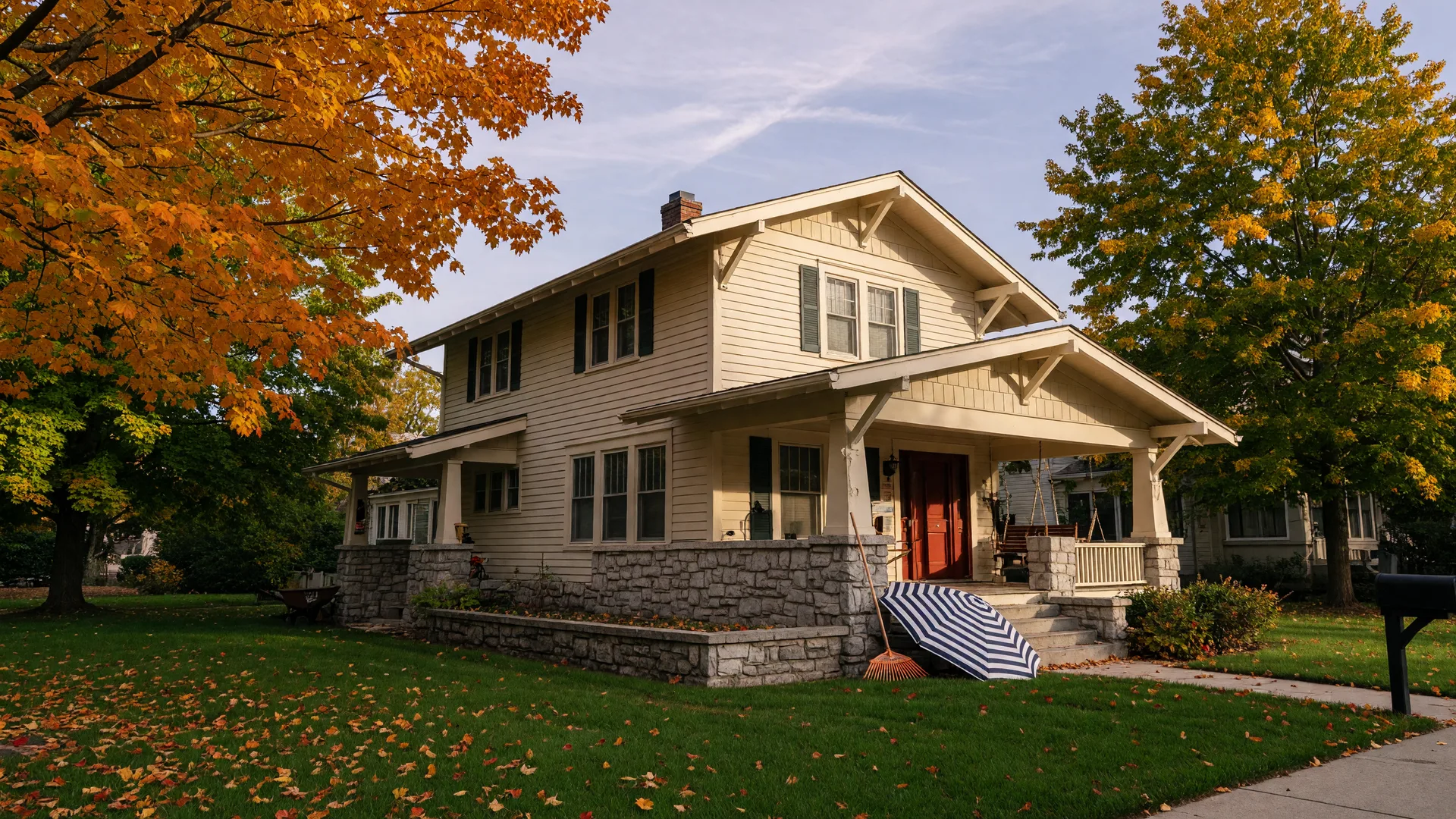
Here is the question homeowners across Grand Blanc, Fenton, Linden, Columbiaville and Tyrone Township ask us every September: when do I need to winterize? The answer is sooner than you think. The average first frost in Genesee County lands in mid-October, and Grand Blanc averages about 36 inches of snow each winter. A furnace tune-up, a clean gutter, and protected pipes done now can save you hundreds and a midwinter headache.
Know Your Local First Frost Date
Weather data is on your side if you plan around it. Midwestern Regional Climate Center figures put Genesee County's average first freeze, at 32 degrees Fahrenheit, around October 13. The Old Farmer's Almanac pegs Grand Blanc's average first frost at October 8. In 2024, Genesee County did not see its first freeze until October 17, but the point stands: plan to finish your winter prep by early to mid October, not Thanksgiving.
For Columbiaville and Tyrone Township, the calendar is nearly identical, a matter of days either way. What matters is that the warm afternoons of September are the cheapest time to catch problems. Calling a contractor after the first freeze is harder and pricier.
The Regional Numbers to Plan Around
Average first freeze in Genesee County: around October 13. Average first frost in Grand Blanc: around October 8. Average annual snowfall: about 36 inches, with January and February the snowiest months. Sources: Midwestern Regional Climate Center, Old Farmer's Almanac, and BestPlaces climate data.
1. Schedule Your Furnace Tune-Up Now
Every Michigan winter, a furnace that has not been serviced since last year picks the coldest night to quit. Get your tune-up booked for late September or early October, before the heating companies fill up. A licensed technician will check the heat exchanger, clean the burner, test the draft, and confirm the carbon monoxide detector near the unit works.
Replace your furnace filter every three months, which for most households means now, in December, in March, and again in early summer. DTE Energy, the region's largest utility, publishes the same three-month guidance for Michigan homeowners. If you heat with a boiler or a wood stove, treat it the same way: service it early, and have your chimney inspected if you burn anything.
2. Clean Gutters and Check the Roof Before the Leaves Fall
The maples lining streets in Grand Blanc and Fenton will drop their leaves over the next month. Clogged gutters and downspouts are the number one cause of ice dams along the eaves in January. Clear the gutters, fasten loose sections, and make sure each downspout carries water at least five feet away from the foundation.
While you are up there, look for missing shingles, lifted flashing around chimneys and skylights, and moss in the valleys. A small roof repair in September costs a fraction of a leak discovered over a snow-covered roof. If you are not comfortable on a ladder, most local gutter and roofing companies in the Southern Lakes area will quote a fall clean and inspection for a modest fee.
3. Seal Air Leaks and Weatherstrip Doors and Windows
Older homes in Linden's historic district and the 1960s ranch stock common across Genesee County leak air around doors, windows, and attic hatches. Caulk gaps around window trim, add weatherstripping to doors that let in daylight, and install foam gaskets behind outlet and switch plates on exterior walls. Each of these is a one-hour, low-cost job.
Check attic insulation while you are at it. Michigan energy experts suggest at least R-38, roughly 12 to 16 inches of fiberglass or cellulose, across the attic floor. Sealing the attic hatch with weatherstripping is the single easiest insulation upgrade in most homes.
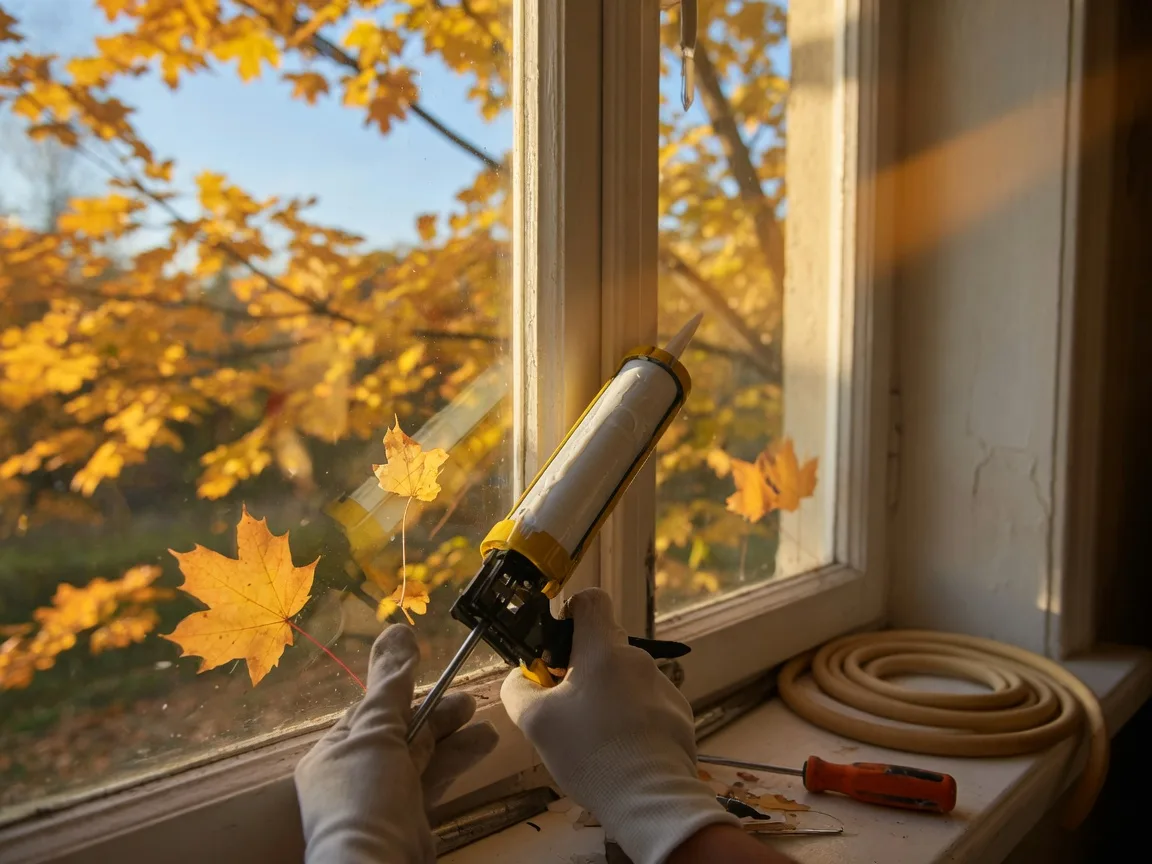
Caulking around window trim is a one-hour job that pays off all winter.
4. Protect Your Pipes Before the Freeze
The classic Michigan failure is a frozen pipe in an unheated crawl space, garage, or exterior wall. Disconnect and drain garden hoses now, shut off and drain exterior spigots, and winterize underground sprinkler systems before the ground freezes. Insulate pipes in unheated spaces with foam sleeves, and open cabinet doors under sinks on the coldest nights so warm air reaches them.
For lake-adjacent properties around Holloway Reservoir in Columbiaville and the lake homes near Fenton and Linden, pay extra attention to crawl spaces and pier or well houses. A burst line in a pier house is easy to miss until spring. If you have a sump pump, test it before the snowmelt, and confirm the discharge line is clear and angled away from the foundation.
5. The Buyer and Seller Angle
These steps matter beyond your own comfort. When we list homes in Grand Blanc and Fenton in the fall, buyers and their inspectors look closely at furnace age, attic insulation, roof condition, and evidence of past ice dams or water stains. A seller who has serviced the furnace, cleaned the gutters, and sealed obvious air leaks presents a tighter, more confident home that supports the asking price.
Buyers touring new construction at Fairways of Spring Meadows in Linden or Oaks of Tyrone in Tyrone Township still benefit from the same questions: confirm the builder's insulation package, the location of shutoff valves, and the warranty coverage on the furnace and water heater. And if you are looking at an older resale, ask the seller for the furnace service record and the date of the last gutter and chimney work. These are reasonable, standard requests before an offer.
Your September to October Winterization Calendar
Early September
Book the furnace tune-up. Inspect the roof and clear gutters while the weather is warm.
Mid September
Replace the filter. Caulk and weatherstrip windows and doors. Check attic insulation.
Late September
Disconnect hoses, drain and cover exterior spigots, and winterize sprinklers.
Before the first frost
Insulate pipes in unheated spaces, test CO detectors, and confirm the sump pump works.
First frost dates are averages and shift year to year. Sources: Midwestern Regional Climate Center, Old Farmer's Almanac, DTE Energy, and BestPlaces climate data.
Frequently Asked Questions
When exactly is the first frost in Grand Blanc, Michigan?
The average first frost is around October 8 per the Old Farmer's Almanac, and the broader Genesee County average first freeze is around October 13. Some years push into the third week of October, so treating early to mid October as your deadline is the safe play.
How much snow does this area get?
Grand Blanc averages about 36 inches of snow per season, above the national average of 28 inches. January and February are the snowiest months, which is exactly when gutter and roof problems surface.
Do I really need to disconnect my garden hose?
Yes. A hose left attached holds water in the spigot and the first section of pipe, and one hard freeze can crack both. Disconnect, drain, and store the hose before the first frost.
Does winterizing help when I sell my home?
It absolutely does. Serviced heating, clear gutters, sealed air leaks, and no ice dam history make a home easier to inspect, easier to insure, and easier to price with confidence. It is one of the cheapest ways to protect your equity.
Take Action This Month
The first frost is roughly six weeks away. Pick one weekend to book your furnace tune-up, one afternoon to clean the gutters, and an evening to caulk and weatherstrip. That is the whole plan, and it is exactly what a local, client-first team would tell a neighbor.
If you are buying or selling in Grand Blanc, Fenton, Linden, Columbiaville, or Tyrone Township this fall, our team knows these homes, their age, and their seasonal quirks. Contact The Moen Group for a market update or a pre-listing walkthrough before the leaves fall.
Related Resources

Rob Moen
Rob Moen is the Principal Broker for Keller Williams First and Team Leader of The Moen Group. The team serves Grand Blanc, Fenton, Linden, Columbiaville, Tyrone Township, and communities across Genesee and Livingston counties.